The journey from an idea for your dream home to a tangible blueprint is a fascinating process that combines creativity, technical expertise, and careful planning. Whether you’re building in Kalispell, MT, or anywhere else across Montana, understanding how residential drafting works can help you appreciate the craftsmanship behind your future home. This comprehensive guide explores the residential drafting process, breaking down each stage from initial concept to final blueprint.
Architectural Drafting Fundamentals
Architectural drafting is the technical process of creating detailed drawings and specifications for buildings. It serves as the bridge between a homeowner’s vision and the actual construction of a home. When you begin the home design process with an architect or drafter, you’re engaging professionals who translate your ideas into precise, measurable plans that contractors can follow.
In Kalispell, MT, and throughout Montana, residential drafting has evolved significantly from hand-drawn blueprints to digital design. Modern architectural drafting uses specialized software like AutoCAD, Revit, and SketchUp to create accurate 2D and 3D representations of homes. These tools allow designers to explore different configurations, materials, and layouts before any construction begins. The home design process in Montana takes into account the unique climate challenges, local building codes, and natural landscape features that define the region.
Architectural drafting is more than just drawing pretty pictures of homes. It’s a systematic approach to problem-solving that ensures every element of your home functions properly, meets building codes, and aligns with your vision. Professional drafters bring years of experience understanding how different systems interact, from electrical wiring to plumbing, from structural support to ventilation.
The Initial Consultation and Conceptualization Phase
The home design process always begins with conversation. Before any lines are drawn, architects and drafters spend time understanding your needs, preferences, and budget. This consultation phase is crucial because it establishes the foundation for everything that follows.
During initial meetings in Kalispell, MT, or other Montana communities, you’ll discuss your lifestyle, family size, work-from-home needs, and aesthetic preferences. Do you envision an open floor plan or separate rooms? Are you interested in sustainable building practices? What outdoor spaces matter most to you? These conversations help shape the direction of your project.
Sketching comes next in the home design process. These are rough, preliminary drawings that capture the essence of your ideas. They’re not precise, and they don’t need to be. Instead, sketches serve as conversation starters, allowing you to visualize concepts and make adjustments before investing in detailed architectural drafting. Many designers in Montana create multiple sketch options, showing different approaches to your home’s layout and style.
This phase also involves site analysis. Your drafter will examine your property, considering factors like sun exposure, views, slope, soil conditions, and existing vegetation. In Montana, understanding how winter winds and summer heat affect your home’s orientation is essential. This analysis informs decisions about window placement, outdoor living areas, and overall home positioning.
Developing the Preliminary Design
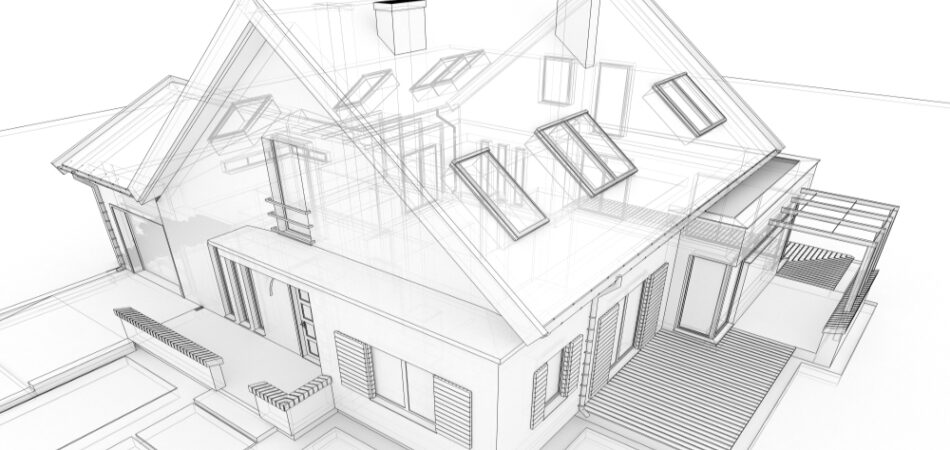
Once the conceptualization phase yields a direction you’re excited about, your drafter moves into preliminary design. This is where architectural drafting becomes more detailed and technical. Preliminary designs include floor plans showing room layouts, wall locations, and door and window placement.
At this stage, the home design process incorporates more technical considerations. Your drafter will begin thinking about structural systems, identifying where load-bearing walls must be, and considering how to create the open spaces you want without compromising structural integrity. In Kalispell, MT, and across Montana, drafters must account for snow loads and other climate-specific structural requirements.
Preliminary designs also include elevation drawings, which show what your home will look like from different sides. These help you understand the exterior appearance and how different architectural elements relate to each other. You might see how a roofline flows, where windows are positioned on walls, and how proportions work together visually.
Cross-sections are another important component of preliminary design. These drawings show vertical slices through your home, revealing ceiling heights, floor-to-floor dimensions, and how different spaces relate vertically. This is where you confirm that your master bedroom ceiling is comfortable, your kitchen has adequate headroom, and your basement clearance meets code requirements.
This preliminary phase often involves several rounds of revisions. You might request that a wall be moved, a window enlarged, or a deck added. Each change is incorporated into the drawings, and your drafter ensures that modifications don’t create structural or code conflicts. This iterative process is normal and valuable; it’s much easier and less expensive to make changes in drawings than during construction.
Creating Construction Documents and Technical Specifications
Once you’ve approved the preliminary design, your drafter moves into the most detailed phase: creating construction documents. This is where architectural drafting reaches its highest level of technical precision. Construction documents are the complete set of drawings and specifications that contractors use to build your home.
These drawings include detailed floor plans with exact dimensions, material specifications, and notes. Every wall, door, window, and fixture is precisely located and dimensioned. Electrical plans show lighting locations, outlet placement, and circuit routing. Plumbing plans detail water supply lines, drain locations, and fixture placement. HVAC drawings illustrate heating and cooling system layout. Structural drawings specify how the home will be framed, what materials will be used, and how loads will be supported.
The home design process in Montana requires careful attention to building code compliance. Drafters must ensure that all designs meet Montana Building Code requirements and local ordinances specific to your jurisdiction in Kalispell, MT, or wherever your project is located. This includes proper egress from bedrooms, adequate ventilation, electrical code compliance, and structural safety standards.
Architectural drafting at this stage also produces material and finish specifications. These documents describe everything being used in your home, from roofing materials to flooring, paint colors to fixture finishes. Specifications eliminate confusion and prevent misunderstandings during construction about what materials and quality level you’ve selected.
The Blueprint Review and Permitting Process
Before construction can begin, your complete set of drawings and specifications must be submitted for permit review. This is where the home design process intersects with local government requirements. In Kalispell, MT, and throughout Montana, building departments carefully review plans to ensure they meet all applicable codes and regulations.
The permit review process for architectural drafting can take weeks or even months, depending on your local jurisdiction. Reviewers examine structural calculations, electrical layouts, plumbing systems, and compliance with fire codes. If issues are found, your drafter will need to make revisions and resubmit. Once approved, you receive your building permit, which is your official authorization to build.
Some projects require additional reviews beyond basic building permits. Historic districts might require architectural review, environmental assessments might be necessary, and local design guidelines might need to be satisfied. Your drafter helps navigate these requirements, understanding the specific landscape of regulations affecting your home design process in Montana.
Final Specifications and Construction Administration
The final phase of residential drafting involves preparing additional details and specifications that contractors might need during construction. This includes enlarged detail drawings showing exactly how specific construction challenges will be solved, such as how the roof meets the walls, how the foundation connects to the structure above, or how complex trim work will be executed.
As construction proceeds, your drafter may serve in an administration role, reviewing the contractor’s work to ensure it matches the architectural drafting drawings. This quality assurance ensures that your home is built according to the design intent. In Kalispell, MT, and across Montana, periodic site visits and plan reviews help catch any deviations early, when corrections are still manageable.
Throughout this entire process, from initial concept through construction completion, architectural drafting serves as the authoritative guide. The precision and clarity of these drawings directly affect your home’s quality, functionality, and value.
Conclusion
The residential drafting process transforms your home dreams into practical, detailed construction plans. From initial consultation through final blueprints, this journey requires collaboration, technical expertise, and careful attention to detail. Understanding these stages helps you appreciate the value that professional architectural drafting brings to your home design process in Kalispell, MT, or throughout Montana. A well-executed set of construction documents creates the foundation for a successful build and a home that truly reflects your vision.
Need Residential Design Construction in Kalispell, MT?
Our team here at Lyndon L. Steinmetz Design Studio, LLC is regionally known for helping people turn their residential design visions into reality. Our work has been featured in regional and national publications and ranges from conceptual design to consulting services. See how our three decades of experience can help you find elegance and luxury in some of nature’s most rustic locations. Call us today for a consultation.