
When people imagine their dream vacation home, they often picture something that feels entirely different from where they live day to day. That instinct is correct, and it goes deeper than aesthetics. The way you design a vacation home vs primary home design should reflect fundamentally different priorities, lifestyles, and long-term goals. Understanding those differences early in the planning process can save you time, money, and a great deal of frustration down the road.
Whether you are working with an architect on a beachside retreat or a mountain cabin, the decisions you make about layout, materials, and functionality need to account for how, when, and by whom the space will be used.
Second home architecture tips often begin with this exact conversation: who is this home really for, and what does life look like inside it?
How Lifestyle and Usage Patterns Shape the Design
Your primary residence is built around your daily rhythm. It needs to support work-from-home setups, school schedules, weekly grocery storage, and the general infrastructure of an ongoing life. A vacation home, by contrast, is designed around interruption, escape, and relaxation. That shift in purpose changes nearly every design decision.
In a primary home, you think about long-term ergonomics. You want a kitchen that can handle Tuesday night dinners and Sunday meal prep. You want a home office that does not distract you, a laundry room that is easy to access, and storage solutions that accommodate years of accumulated belongings. The home needs to grow and adapt with you.
A vacation home operates on a different logic. Guests arrive, decompress, enjoy, and leave. The kitchen might only need to handle casual meals and morning coffee. Closet space matters less than comfortable gathering areas. Outdoor living becomes central rather than supplementary. When thinking about vacation home vs primary home design, the emotional function of the space is just as important as the practical one.
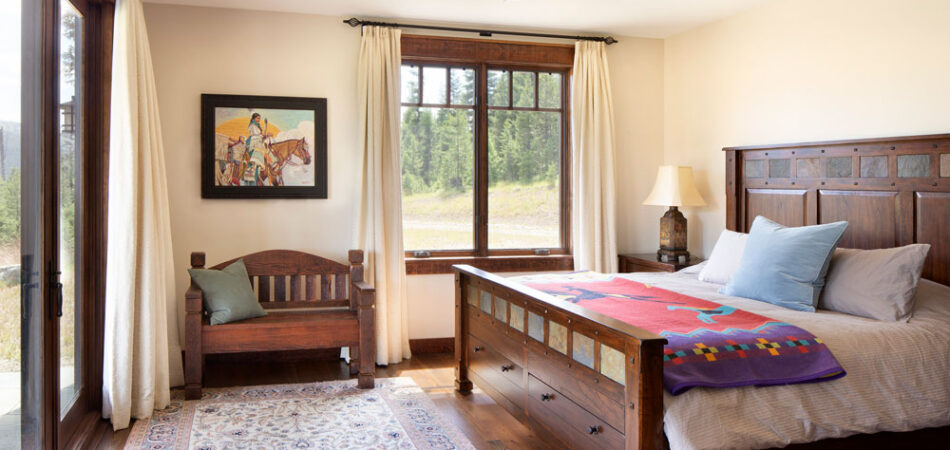
This is why vacation homes tend to prioritize open floor plans, large windows, and connection to the surrounding landscape. The architecture should invite people to slow down, look outside, and feel a sense of place that is distinct from their everyday environment.
Materials, Durability, and Maintenance Considerations
One of the most practical aspects of seasonal home planning is choosing materials that can handle periods of vacancy and varying weather conditions. A primary residence is occupied consistently, which means issues like a slow leak or a drafty window get noticed and addressed quickly. A vacation home might sit empty for weeks or months at a time, making material choices and systems design significantly more important.
Exterior materials for a vacation home should be chosen with minimal maintenance in mind. Fiber cement siding, metal roofing, composite decking, and weather-resistant cladding are all popular choices for properties that face harsh seasonal conditions or salt air near the coast. These materials may cost more upfront, but they reduce the need for frequent upkeep and hold up better during periods when no one is around to monitor wear and tear.
Interior finishes should follow a similar philosophy. Durable flooring options like polished concrete, porcelain tile, or high-quality engineered hardwood are better suited to vacation homes because they resist humidity changes and heavy foot traffic from rotating groups of guests. In a primary home, you might prioritize warmth and softness underfoot because you are living on those surfaces every day. In a vacation home, resilience often wins.
Plumbing and mechanical systems also deserve extra thought in second home architecture tips. Pipes need to be properly insulated or designed for easy winterization. HVAC systems should be operable remotely so the home can be prepped before arrival. Smart home technology plays a larger role in vacation properties precisely because remote management is often a necessity rather than a luxury.
Space Planning and the Social Nature of Vacation Living
Vacation homes are almost always more social spaces than primary residences. Even if your primary home entertains regularly, a vacation property tends to host larger groups more consistently. Families gather, friends visit, extended relatives come to stay. This social density has a direct impact on how the home should be planned.
Bedroom count and configuration matters differently in a vacation property. In a primary home, you might prioritize a large master suite and keep secondary bedrooms modest. In a vacation home, distributing comfortable sleeping spaces more evenly makes the property more functional for groups. Bunk rooms, flexible sleeping lofts, and well-appointed guest suites all become more valuable in this context.
Bathrooms follow similar logic. A vacation home benefits from more bathrooms relative to its square footage, and each bathroom should be designed to handle concurrent use by multiple people. Walk-in showers are often preferable to tubs, and durable fixtures with easy-to-clean surfaces reduce the burden of turnover between visits.
Outdoor spaces take on a starring role in vacation home vs primary home design. Whether the setting is a lake, a mountain ridge, or a coastal bluff, the outdoor living areas should be treated as true extensions of the interior square footage. Covered porches, outdoor kitchens, fire pit areas, and ample seating for large groups are all worth investing in. The primary home might have a backyard patio; the vacation home should have an outdoor living room.
Architectural Identity and Sense of Place
One of the most rewarding aspects of designing a vacation home is the freedom to embrace a stronger architectural identity. Primary residences often need to balance personal taste with neighborhood context, resale value, and the practical realities of daily life. A vacation home invites a more expressive, site-specific approach.
Second home architecture tips frequently emphasize the importance of responding to the local environment. A home on the coast of Maine should feel different from a cabin in the Colorado Rockies, which should feel entirely different from a desert retreat outside of Scottsdale, Arizona. Using regional materials, local craftsmanship, and design languages native to the landscape creates a sense of place that makes the experience of arriving feel genuinely transportive.
This also applies to interior design. Vacation homes benefit from a cohesive aesthetic that references the setting. Natural textures, locally sourced art, color palettes drawn from the surrounding landscape, and furniture scaled for relaxed living all contribute to an environment that feels intentional and restorative. The goal is not simply to decorate a house. The goal is to create an atmosphere that signals to everyone inside that they have arrived somewhere different and special.
Seasonal home planning should also consider how the home will feel across different times of year. If the property is used in both summer and winter, the design needs to accommodate both the breezy openness of warm months and the cozy warmth of cold ones. Fireplaces, layered lighting, and window placements that capture different seasonal light all contribute to a home that works beautifully year-round.
Budget Priorities and Long-Term Value
Allocating your budget looks different when designing a vacation home versus a primary residence. In a primary home, you might invest heavily in the kitchen, master bathroom, and storage infrastructure because those spaces get the most daily use. In a vacation home, the return on investment often comes from communal spaces, outdoor areas, and features that enhance the overall experience of being there.
Rental income potential is also a consideration that rarely applies to primary homes. If you plan to rent the property when you are not using it, the design decisions you make will affect both the rental rate you can command and the ease of managing the property remotely. Durable finishes, a well-equipped kitchen, a strong Wi-Fi infrastructure, and visually distinctive architecture all contribute to rental desirability.
Conclusion
Designing a vacation home is one of the most personal and rewarding architectural projects a person can undertake. By understanding the core differences between vacation home vs primary home design, applying thoughtful second home architecture tips, and approaching seasonal home planning with intention, you can create a property that serves your family for generations while feeling like a true escape every time you arrive.
Need Residential Design Construction in Kalispell, MT?
Our team here at Lyndon L. Steinmetz Design Studio, LLC is regionally known for helping people turn their residential design visions into reality. Our work has been featured in regional and national publications and ranges from conceptual design to consulting services. See how our three decades of experience can help you find elegance and luxury in some of nature’s most rustic locations. Call us today for a consultation.