Designing a home in Montana is an exciting endeavor filled with possibilities. Whether you’re building a cabin tucked away in the Bitterroot Valley or a modern residence overlooking Flathead Lake, understanding the home drafting process is essential. Montana offers a unique set of opportunities and challenges for residential construction, thanks to its rugged terrain, climate variations, and local building codes. Before breaking ground, it’s vital to work through a thoughtful planning phase that includes residential design consultation, code compliance, and the nuances of working with draftsmen or architects in the state.
The Home Drafting Process in Montana
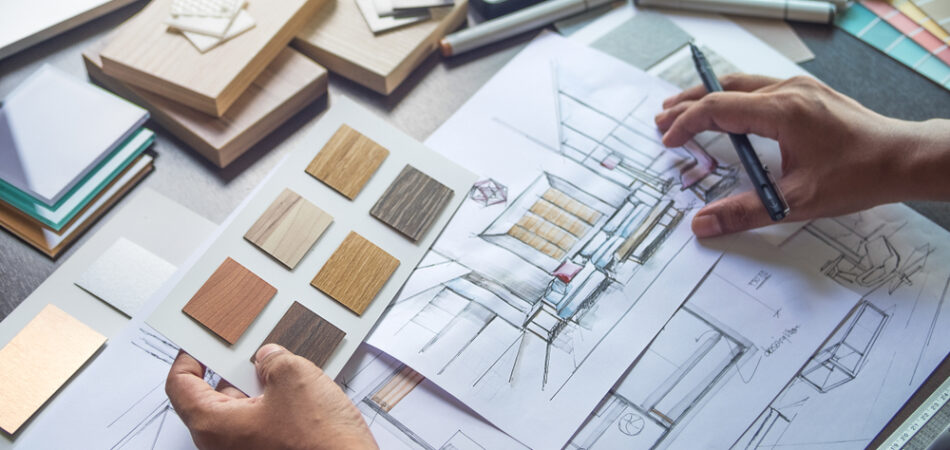
The home drafting process is the blueprinting stage of your project, quite literally. It takes your vision and transforms it into a set of detailed technical drawings that can be reviewed, approved, and used by builders. In Montana, this process typically begins with a consultation where you’ll discuss your goals, lifestyle needs, location, and budget. At this stage, clarity of vision is important, but flexibility is just as crucial. Local design professionals understand the need to balance your ideas with practical constraints like climate, lot orientation, and county zoning rules.
Drafting a home isn’t just about aesthetics. It’s a technical procedure involving floor plans, elevations, roof layouts, cross-sections, and structural systems. Depending on the complexity of your design and the requirements of your local jurisdiction, you may also need site plans, energy calculations, and other engineering documents. Montana’s diverse geography means homes must be designed with special attention to insulation, snow load, wind exposure, and sometimes seismic activity. Working with professionals who understand these variables ensures that your plans meet not only your dreams but also legal and environmental expectations.
The Role of Residential Design Consultation
For most Montana homeowners, a residential design consultation is the first step in making an abstract dream into something tangible. This initial meeting is more than a simple Q&A session. It’s a collaborative conversation where your preferences are distilled into design goals. The consultant will ask about your desired number of bedrooms and bathrooms, your kitchen layout ideas, energy efficiency expectations, and your long-term living plans. They will also review the topography of your lot and explain how it affects everything from driveway orientation to drainage systems.
Montana’s residential design professionals often serve multiple roles: creative partner, code expert, and feasibility advisor. They interpret your lifestyle into design elements while staying grounded in structural logic. For instance, if you’re planning to live off-grid in a remote region, your consultant will explore options for solar energy, septic systems, and how to get deliveries in snow-heavy winters. If you’re building within city limits like Missoula or Bozeman, they’ll help navigate permitting procedures, neighborhood covenants, and potential design review boards.
This consultation can also be a space to address budget realities. Many homeowners begin with a vision that exceeds what their land or finances can support. An honest design professional will help prioritize needs over wants, identify cost-saving materials or construction methods, and stage the project if needed. A successful residential design consultation lays the groundwork for a home that not only looks beautiful but functions seamlessly in Montana’s unique environment.
Montana’s Building Codes and Permitting Considerations
Montana has specific building codes and permitting processes that vary by county and municipality. Whether you’re building in Helena, Billings, or a more rural setting like Big Timber, understanding local regulations is essential. These codes cover a broad spectrum of safety and environmental concerns, including fire resistance, insulation standards, wind and snow load requirements, and energy efficiency mandates.
In unincorporated or rural areas, you might encounter fewer restrictions, but this doesn’t mean you can ignore best practices. Counties often have minimum requirements for setbacks, septic systems, and access roads. For mountain or lakeside properties, there may be additional considerations related to watershed protection, slope stability, or wildlife corridors. Montana also encourages the use of wildfire-resistant design in areas classified as wildland-urban interface zones. Your draftsperson or architect must be familiar with these requirements to ensure a smooth path through the permitting process.
Permits are typically required for new construction, major renovations, and the installation of mechanical systems. Submitting a full set of drafted plans is standard when applying for a building permit. This is where the accuracy and completeness of your home drafting process become especially critical. Errors or omissions can delay approvals, result in additional fees, or even lead to redesigns. Fortunately, Montana’s building departments are generally helpful and supportive, especially when you come prepared with properly drafted documentation.
Choosing the Right Professional for Your Montana Home
Montana homeowners have several options when it comes to drafting their home: licensed architects, residential designers, or drafting technicians. While each has their strengths, the right choice depends on the scope of your project, your budget, and how much customization you require.
Architects bring a high level of creativity and technical depth, especially for complex or luxury builds. They can offer innovative solutions that blend seamlessly into Montana’s natural surroundings. However, they often charge higher fees. Residential designers and draftsmen, while not licensed architects, can offer similar services at a more accessible price point. Many have years of experience specifically within the Montana home drafting process and bring valuable local knowledge.
Whichever route you choose, it’s important to review portfolios, ask for references, and clarify what services are included. Some professionals only provide drafting, while others offer full design-build services, including construction oversight. Inquire whether they have experience with Montana-specific challenges like freeze-thaw cycles, off-grid utilities, or alpine terrain. The right fit will be someone who listens carefully, communicates clearly, and respects your budget and timeline.
Trust and collaboration are key. Your designer is not just producing drawings but translating your vision into a livable structure that will endure Montana’s seasons and stand the test of time. Take the time to find a professional whose style aligns with your own and who demonstrates a deep understanding of both the aesthetic and technical aspects of residential design.
Preparing for the Unexpected in Montana Home Projects
Even with the best-laid plans, building a home in Montana can come with surprises. Weather can delay construction, especially during the long winters. Supply chains might be affected by transportation challenges in remote areas. Labor shortages can stretch timelines, and fluctuating material costs may require budget adjustments mid-project. Anticipating these realities and maintaining flexibility is part of preparing for a successful outcome.
During the drafting process, leave room for revisions. You might discover that your layout feels different once staked out on the property or that certain views are more important than expected. Adjustments during the design phase are far less costly than making changes mid-construction. This is why working closely with a responsive and locally experienced drafting professional is invaluable. They can help you refine the plan iteratively, balancing aesthetics, functionality, and feasibility.
You should also consider future-proofing your home. Think about long-term livability, aging-in-place design elements, and potential expansions. Montana homes often serve as multigenerational dwellings, vacation rentals, or even hybrid live/work spaces. These trends should influence how your home is drafted today. Sustainable materials, energy-efficient systems, and smart home technology are increasingly common in the state and are worth discussing during the drafting phase.
Conclusion
Drafting your Montana home is a pivotal stage in the building journey. It’s where creativity meets precision, and dreams begin to take on physical form. The home drafting process in Montana is deeply influenced by the state’s natural beauty, rugged climate, and diverse local regulations. Navigating this process effectively begins with a strong residential design consultation, selecting the right professional, and staying mindful of Montana-specific considerations such as snow load, insulation, and site access.
Homeowners who take the time to thoroughly plan and prepare will find the experience deeply rewarding. By understanding the steps involved, choosing a partner who understands your vision, and expecting the unexpected, you can bring your dream home to life while respecting the landscape and spirit of Montana. Whether you’re settling into your forever home or building a retreat for generations to come, it all starts with a thoughtful and well-executed design.
Need Residential Design Construction in Kalispell, MT?
Our team here at Lyndon L. Steinmetz Design Studio, LLC is regionally known for helping people turn their residential design visions into reality. Our work has been featured in regional and national publications and ranges from conceptual design to consulting services. See how our three decades of experience can help you find elegance and luxury in some of nature’s most rustic locations. Call us today for a consultation.