As the crisp air rolls into the valleys and snow begins to blanket the peaks surrounding Kalispell, Montana, homeowners find themselves once again preparing for another long winter. With temperatures often plunging well below freezing, it’s not just about staying warm; it’s about safeguarding your home and enhancing comfort throughout the season. Winter home prep in Kalispell is more than a seasonal task; it’s an essential part of Montana living. Whether you’re a long-time resident or a newcomer experiencing your first winter in Big Sky Country, designing and winterizing your home effectively can make a significant difference.
The Importance of Winter Home Prep in Kalispell
Kalispell winters can be harsh, unpredictable, and long-lasting. With months of heavy snowfall, icy winds, and sub-zero temperatures, homes in this region must be well-equipped to handle the elements. Winter home prep isn’t simply a matter of convenience; it’s a necessity that protects your property from damage, preserves energy, and ensures your family stays safe and comfortable.
Poor insulation, inefficient heating systems, and drafty windows can lead to skyrocketing energy bills and structural issues such as frozen pipes and roof damage. Preparing your home for winter also helps reduce the risks of mold growth and moisture damage, which can be difficult and costly to address later. Homeowners in Kalispell must be proactive and strategic when it comes to winterizing their homes. This process begins with smart design considerations and ends with detailed maintenance and upgrades.
Designing for Insulation and Energy Efficiency
One of the most effective ways to prepare your Montana home for winter is by ensuring your design supports insulation and energy efficiency. In a region like Kalispell, where heating systems often run around the clock, every bit of insulation matters. Older homes may lack sufficient wall and attic insulation, leading to considerable heat loss during the coldest months.
When designing or remodeling your home, pay close attention to insulation materials and their R-values, which measure thermal resistance. Spray foam insulation, for instance, can be highly effective in sealing gaps and crevices. In the attic, fiberglass batts or blown-in cellulose insulation can trap heat and prevent it from escaping through the roof. Floor insulation is also essential, particularly in crawl spaces or over unheated garages, where cold air can seep in from below.
Windows and doors are often the weakest links in a home’s thermal envelope. Double- or triple-pane windows with insulated frames and low-E coatings help reduce heat transfer and improve interior comfort. Installing thermal curtains or cellular shades adds an extra layer of insulation. For doors, ensure proper weatherstripping is in place, and consider upgrading to insulated exterior doors to help minimize drafts.
Energy efficiency also extends to heating systems. A modern, well-maintained furnace or heat pump can make a dramatic difference in energy usage and interior comfort. Consider radiant floor heating for bathrooms or basements, and install programmable thermostats to better control energy use throughout the day. Making these choices during the design or remodeling phase sets the foundation for a warm, efficient, and cost-effective winter.
Creating Functional Winter Entryways and Mudrooms
One of the most overlooked aspects of home winterizing in Montana is the design of entryways and mudrooms. In a region like Kalispell, where snow, ice, and slush are a daily reality during winter, having a well-planned entry space can protect your home’s interior and keep things organized.
Designing an effective winter entryway starts with durable, easy-to-clean flooring. Tile, stone, or sealed concrete are excellent choices for resisting moisture and withstanding heavy boot traffic. Avoid carpet or wood in these areas, as they can quickly become damaged by water and road salt.
Include ample storage for winter gear such as coats, scarves, hats, and gloves. Built-in cubbies, wall hooks, and benches with storage underneath help keep everything accessible yet tidy. A bench offers a convenient spot for removing boots, while trays or mats catch melting snow and water. If space allows, adding a utility sink or even a small washer and dryer near the entry can simplify cleanup from snowy outdoor adventures.
Mudrooms can also serve as a thermal buffer zone between the outside and your main living areas. By maintaining a slightly cooler temperature in the mudroom, you help prevent warm air from escaping every time the door opens, contributing to overall energy efficiency.
Winterizing Plumbing and Water Systems
One of the most critical aspects of winter home prep in Kalispell involves protecting plumbing and water systems from freezing. Frozen pipes can burst and cause extensive water damage, often leading to costly repairs. Thoughtful home design and diligent seasonal maintenance can help avoid these issues.
Begin with the location of your plumbing. Whenever possible, keep pipes inside heated areas of the home. Avoid running plumbing along exterior walls, or if unavoidable, ensure those walls are heavily insulated. Pipe insulation sleeves, heat tape, or heating cables can be installed on exposed pipes in crawl spaces or basements.
If you own a seasonal or second home in Kalispell, winterizing the plumbing is even more important. Draining water lines, shutting off water at the main valve, and using non-toxic antifreeze in traps and toilets can prevent freezing while the home is unoccupied.
Outdoor spigots, hoses, and irrigation systems also need attention. Disconnect hoses and use insulated covers on spigots. If your home design includes a sprinkler system, it should be professionally blown out to avoid water freezing in underground pipes.
Water heaters should also be inspected and insulated. If your home relies on a tank-style water heater, adding an insulation blanket helps retain heat and improve efficiency. For tankless systems, make sure freeze protection features are active and functioning.
Incorporating Natural Light and Warmth During Winter
Designing a home that captures natural light during the dark Montana winters can have both emotional and functional benefits. With shorter days and long stretches of overcast weather, every bit of sunlight counts in Kalispell. Incorporating large, south-facing windows into your design allows for passive solar gain, which naturally warms interior spaces and reduces reliance on your heating system.
Consider adding skylights or solar tubes to bring daylight into rooms that typically receive little sun. Even when the skies are gray, these additions can brighten your home and boost your mood. Choosing warm interior colors and finishes also helps create a cozy ambiance that counteracts the cold outside.
Thermal mass materials such as stone or concrete can be used to absorb sunlight during the day and slowly release heat in the evening. Positioning these materials in sunlit areas of the home adds to your heating efficiency without using extra energy. Combined with well-designed window coverings that can be opened during the day and closed at night, your home becomes better equipped to retain warmth naturally.
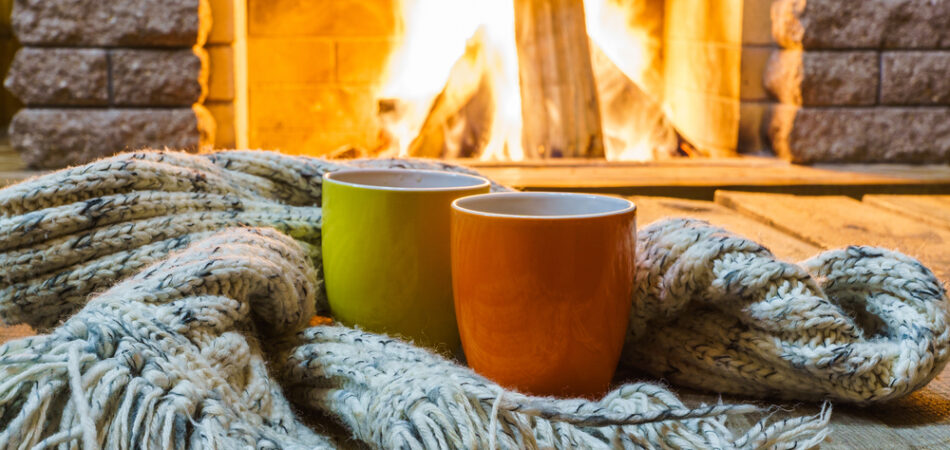
Fireplaces and wood stoves are another design element that adds both charm and function. In Kalispell, many homes incorporate them not just as decorative features, but as reliable heat sources during power outages or extreme cold snaps. A centrally located fireplace with a blower system can help distribute heat more evenly across your home.
A Warmer, Safer Winter Starts with Smart Design
Preparing your Montana home for winter is about more than just sealing windows and stocking up on firewood. In Kalispell, where the cold season can linger for half the year, smart design choices and thoughtful upgrades make all the difference. From energy-efficient insulation and strategic heating systems to functional mudrooms and protected plumbing, winter home prep must be approached from every angle.
Designing with winter in mind not only preserves the structural integrity of your home but also enhances your quality of life during the long, snowy months. By embracing the unique challenges of Montana winters and implementing solutions tailored to your environment, your home becomes a sanctuary of warmth, efficiency, and comfort.
Whether you’re building a new home in Kalispell or retrofitting an existing one, investing time and resources into proper winterizing pays off in peace of mind, lower energy bills, and fewer emergency repairs. So as the snowflakes begin to fall, you can rest easy knowing your home is ready to weather the season.
Need Residential Design Construction in Kalispell, MT?
Our team here at Lyndon L. Steinmetz Design Studio, LLC is regionally known for helping people turn their residential design visions into reality. Our work has been featured in regional and national publications and ranges from conceptual design to consulting services. See how our three decades of experience can help you find elegance and luxury in some of nature’s most rustic locations. Call us today for a consultation.